Goals & KPIs
Turn your strategic intents into a short list of measurable targets once you have real baseline data to work from.
This step turns the strategic intents you set in the Plan phase into a small set of numbers you can actually measure. It waits until your Path work has been running for about 90 days, so your targets are based on real baseline data instead of guesses.
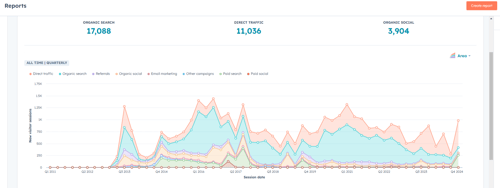
The goal is three to seven KPIs tied to your buyer journey, not a dashboard full of metrics nobody looks at. A good mix includes early signals, like new leads or meetings booked, alongside results, like revenue and win rate, so you can see problems coming before they show up in the bottom line.
Each KPI gets a clear definition, including the formula, where the data comes from, a target, a timeframe and an owner. A monthly check against target and a quarterly review keep the list useful, and any KPI nobody uses gets retired.
Signs you need this
- You track a lot of numbers but none of them drive decisions
- Goals get set without knowing where you're starting from
- Nobody owns a number or knows when it gets reviewed
- Marketing and sales report different numbers for the same thing
- You can't tell whether your strategic intents are working
End results
- A 90-day baseline for each stage of your funnel, from traffic through revenue and retention
- Three to seven KPIs, each tied to a strategic intent and a stage of the buyer journey
- A definition for each KPI with its formula, data source, target, timeframe and owner
- A review schedule with monthly check-ins and a quarterly target review
- A one-page KPI sheet your team can refer back to
Common questions
What's the difference between a goal and a KPI?
A goal is the outcome you're working toward, while a KPI is the number that tells you whether you're getting there. Your strategic intents set the goals, and this step picks the KPIs that measure them.
How many KPIs should we track?
Three to seven is plenty. Past that, the numbers stop driving decisions and turn into a report people skim.
Why wait for a baseline before setting targets?
A target only means something when you know where you're starting. Ninety days of data from your CRM and website gives you a realistic starting point instead of a number pulled from the air.
What's the difference between leading and lagging KPIs?
Leading KPIs, like leads or meetings booked, change quickly and warn you early. Lagging KPIs, like revenue or retention, show the final result but take longer to move.
How often should KPIs be reviewed?
Check them against target every month, adjust targets every quarter and reset the whole list once a year alongside your strategic intents.